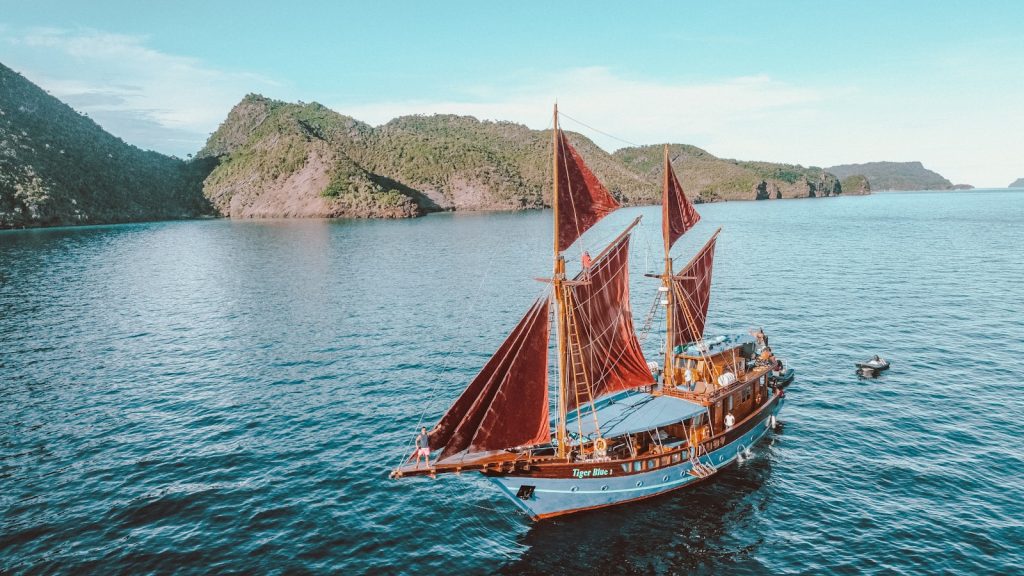
Map Your Path to Ownership
Tell us where you are. We reply on WhatsApp with the relevant intelligence and, where useful, an introduction to a vetted independent partner. Information, not advice.
Free, no obligation. We publish intelligence; surveyors, counsel and yards execute.
Two Paths to the Helm
Buy a hull that exists, or commission one that doesn’t yet — the honest tradeoffs of each.
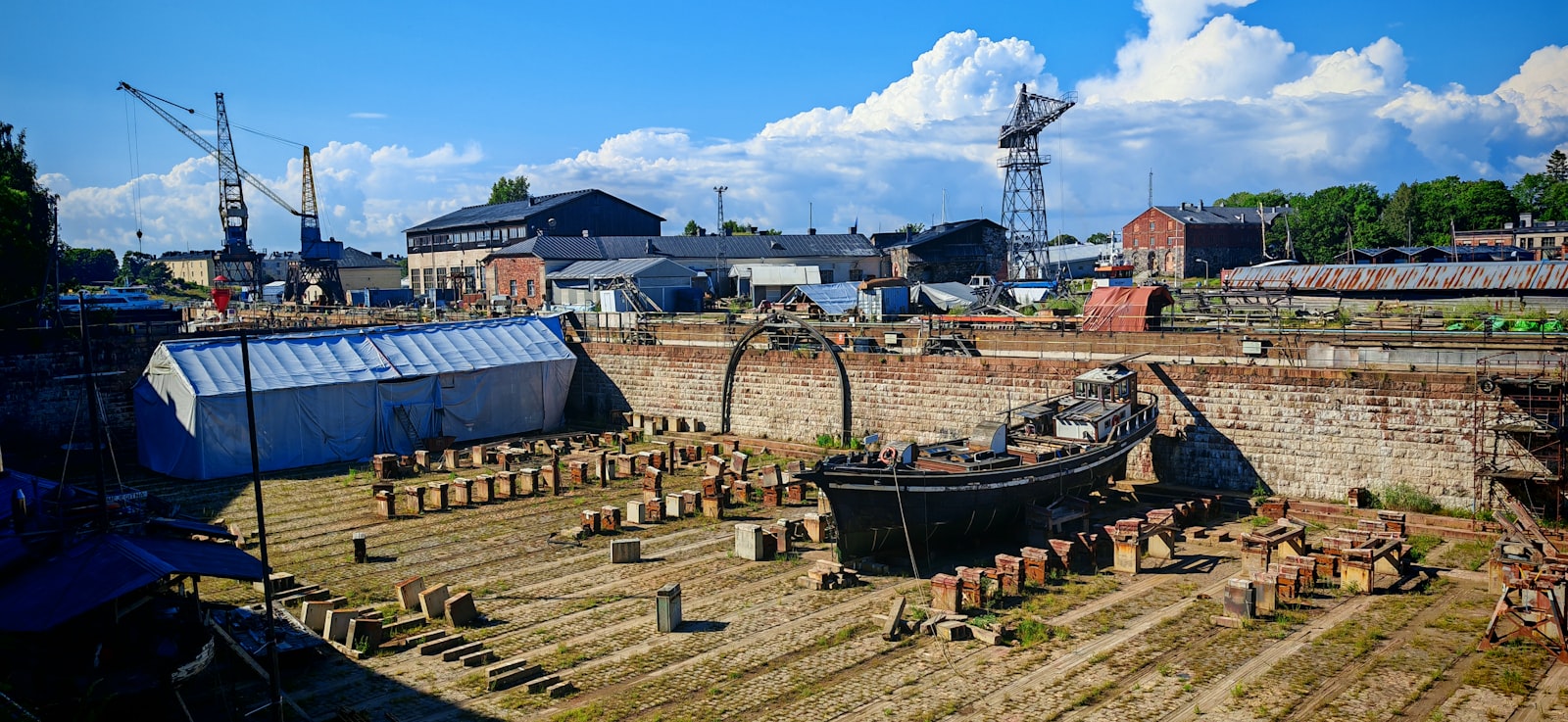
Phinisi for Sale
Scan the market →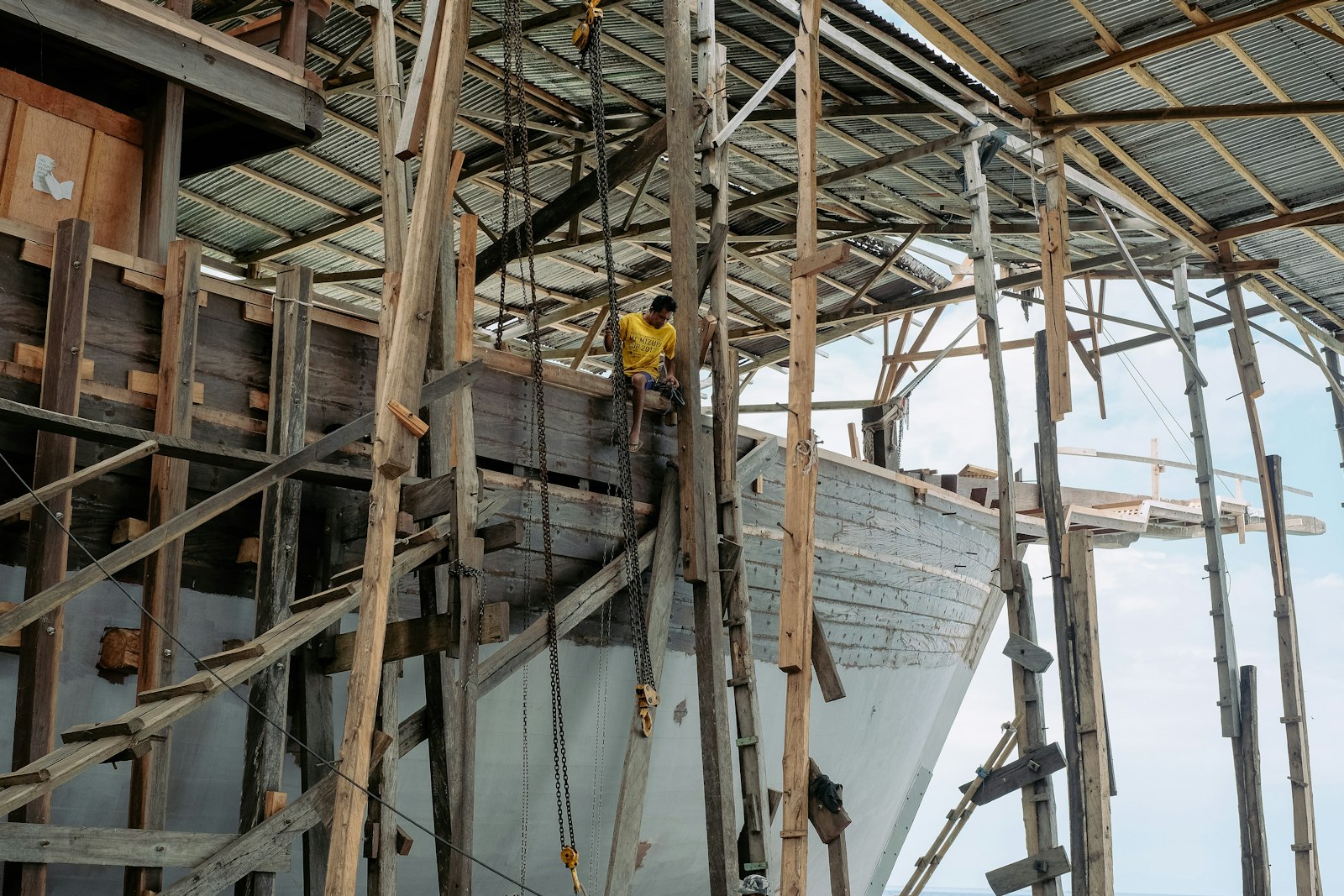
Commission a New Build
Start the build path →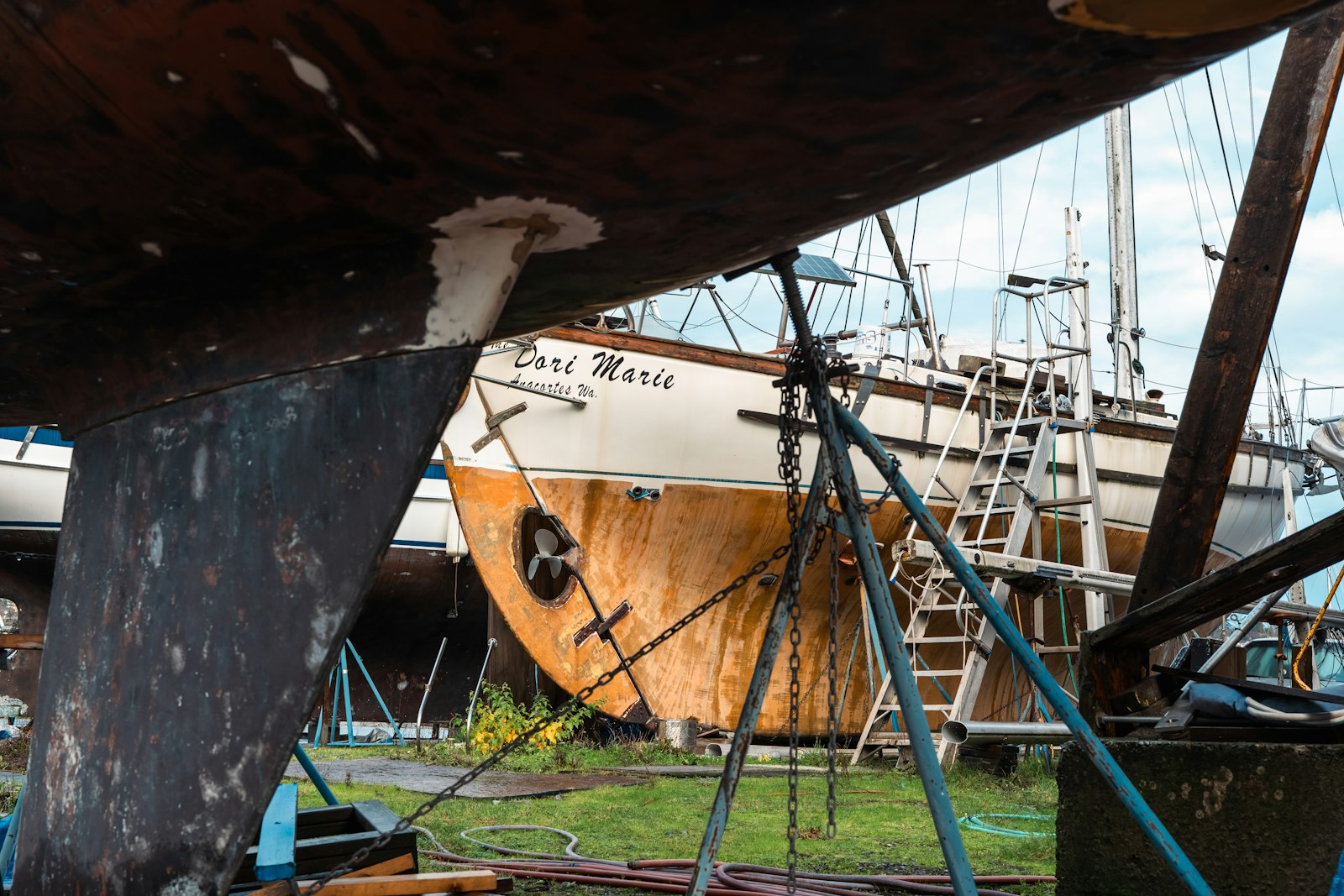
Start Here
Get oriented →The Numbers, Honestly
Cost ladders and operating math with every estimate flagged — no brochure ROI.
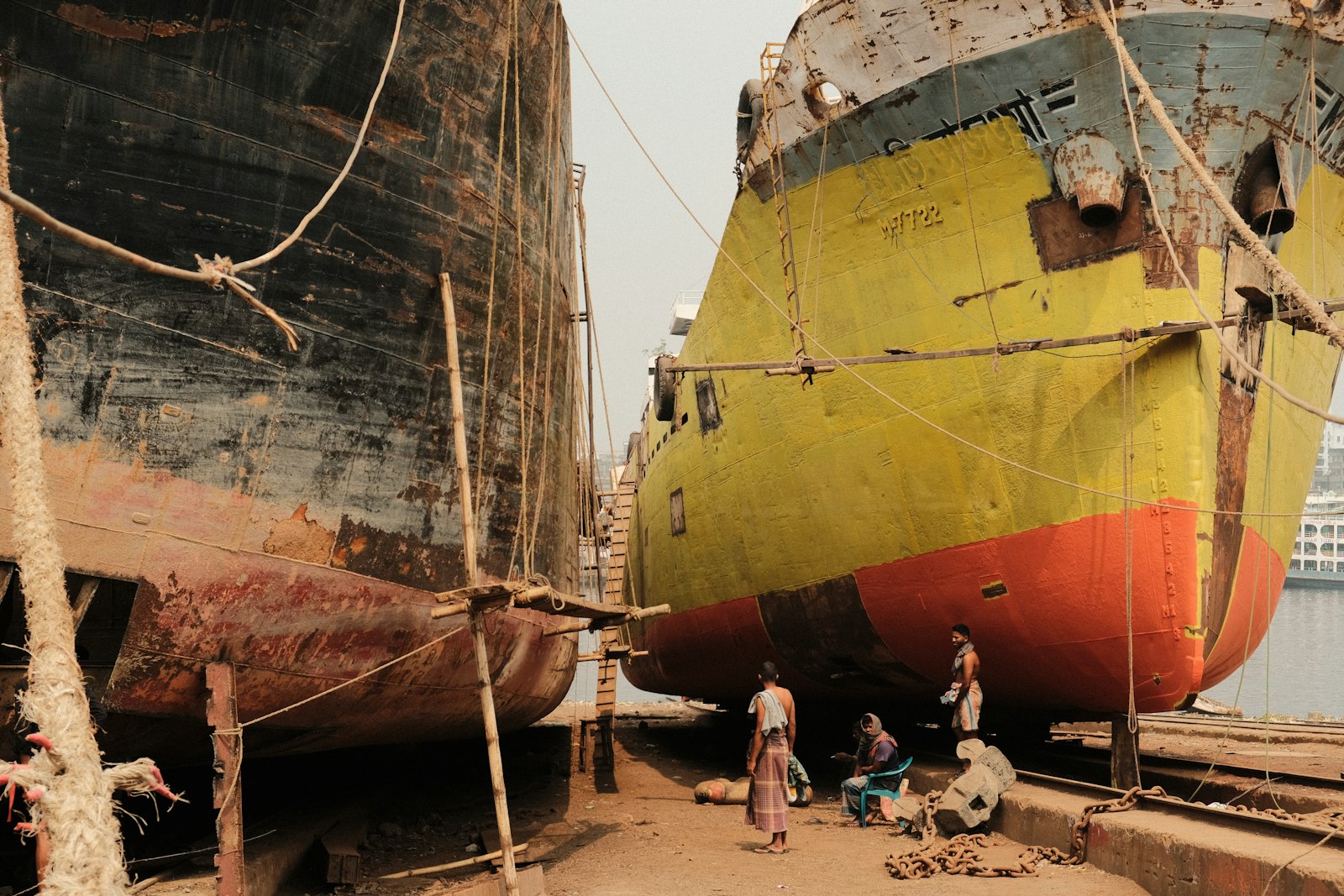
Build Cost Ladder
See the ladder →
Operating Costs
Run the numbers →
Charter Break-Even
Test the math →
Ownership & Cabotage
Know the law →Why Phinisi Owner
Independent
We are not a shipyard, broker, or operator. No yard or seller can pay to change a cost bracket or a warning we publish.
Estimates, Flagged
Every figure is labelled: verified, observed bracket, or estimate. The asking-versus-transaction gap is named, not hidden.
Yard-Side Knowledge
Build guidance grounded in how Sulawesi yards actually work — milestones, rituals, and the contract clauses that protect owners.
Vetted Introductions
When you are ready, we introduce vetted independent surveyors, counsel, and charter-management teams. They execute; we inform.
From Dream to Delivery
How a briefing works.
Tell us your path
Buying used, commissioning new, or weighing both — plus your size band and timeline.
Get the real numbers
The relevant cost ladders, legal structure options, and the risks we would check first.
Act with professionals
Independent surveyors, Indonesian counsel, and vetted yards take it from analysis to keel.
A phinisi owner is anyone who holds legal title to — or a controlling economic interest in — a traditional Indonesian wooden sailing vessel built in the South Sulawesi tradition. Phinisi ownership in Indonesia is neither simple nor cheap, and the gap between the sales deck and the reality is wide enough to sink a project. This site exists to close that gap. We are not a shipyard, a broker, or a charter operator. Nobody can pay to change what we publish; if you use our free guidance and proceed with a partner, they may pay us a referral fee at no extra cost to you.
Five Decisions That Define Phinisi Ownership
Every prospective owner eventually faces the same five decisions, usually in the wrong order. Getting the sequence right saves money. Getting the numbers right saves the project.
1. Buy Used or Build New?
The used market runs almost entirely through Facebook groups, WhatsApp threads, and a handful of Indonesia-based brokers. International platforms like YachtWorld carry a handful of listings — two live phinisi at last count — ranging from roughly USD 50,000 for a project boat up to USD 950,000 for a larger vessel that still sat unsold after a price reduction [estimate: market observation; all used-market ranges are estimates without audited sold-price data]. A 38-metre 2024-build ironwood liveaboard listed in Labuan Bajo at IDR 9.2 billion (reduced from IDR 10 billion) has been on the market long enough to establish that asking prices and clearing prices are not the same thing.
New builds give you control over spec, timber selection, and the regulatory path from day one. They also give you full exposure to the systematic overrun pattern. The only publicly documented cost breakdown for a landmark vessel is Dunia Baru, a 51-metre ironwood and teak phinisi whose owner, Mark Robba, spoke candidly to Boat International: the Konjo builders of South Sulawesi quoted him USD 130,000 for the hull and superstructure. Fasteners alone — custom bolts — added another USD 100,000 outside that quote [verified: owner-stated, Boat International]. The project ran eight years and the final cost implied roughly six times the original USD 1 million estimate. Dunia Baru now charters from approximately USD 140,000 per week [single-source: broker-quoted rate]. That trajectory is not a cautionary tale unique to one owner; it is the structural reality of commissioning a complex wooden vessel in a tradition that runs on oral agreements and master-builder intuition rather than engineering drawings.
The table below shows the rough cost envelope for each path. Every bracket except the Dunia Baru hull figure is an estimate.
| Path | Entry bracket | Mid bracket | Upper bracket | Notes |
|---|---|---|---|---|
| Buy used, project condition | 50,000–150,000 | 150,000–400,000 (25–30m, operational) | 700,000–1,500,000 (35–40m, refitted with paperwork) | 20–40% discounts off asking after survey findings are common [estimate] |
| Build new, budget open-trip grade (20–30m) | 120,000–250,000 | 250,000–400,000 | 400,000–900,000 (charter grade 30–35m) | Hull cost is often <15% of total; machinery and fit-out dominate [Dunia Baru precedent, verified] |
| Build new, Western systems standard (35–40m) | 1,000,000 | 1,500,000–3,000,000 | 3,000,000–7,000,000+ | Published build costs for named flagships (Lamima 65m, Prana ~55m) are not in the public record — treat any figure you see online as unverified |
2. The Real Cost Envelope
Shipyard blogs quote “basic 20–25m phinisi from USD 100,000” [single-source: builder marketing]. That figure typically describes a hull launched on the beach at Tana Beru or Ara in South Sulawesi, before engines, generators, navigation systems, electrical installation, interior fit-out, safety certification, insurance, towing or sailing to a fit-out port, and any formal survey. The gap between that hull price and a vessel ready to carry paying passengers under Indonesian certification can be USD 200,000 to several million, depending on the standard you are building to.
Hull timber matters. Ulin (Eusideroxylon zwageri) — ironwood — forms the keel, frames, and structural members on the best-built boats. It is dense enough to sink in water and has exceptional rot resistance. Supply from Kalimantan and Sulawesi is legally controlled and increasingly scarce [verified concept: Indonesian forestry restrictions on ulin are documented; scarcity is an informed inference]. Bitti (Vitex cofassus), a Sulawesi native, handles curved planking and frames. Teak (jati) covers decks and interiors. A builder who substitutes lighter, cheaper timbers at the structural layer is not always visible in a surface inspection — one reason independent survey during build, not just at launch, is worth its cost.
Naval architect Michael Kasten, who designed vessels including Silolona, Dunia Baru, and Amandira, has written plainly that the defining economic feature of phinisi construction is low structural cost — and that quality control is the core challenge. Most owner-managed builds, in his assessment, produce vessels that are shockingly bad, and some unsafe [single-source: kastenmarine.com editorial]. That is a practitioner’s view from the upper end of the market, but the underlying observation — that the hull is the cheapest part of the project, and supervision is the hardest — holds at every price tier.
3. Legal Structure Under Indonesian Cabotage
This is where most foreign buyers get incomplete advice. Indonesia’s cabotage principle — embedded in Shipping Law 17/2008 and strengthened by Law 66/2024 — reserves domestic carriage of passengers and goods exclusively for Indonesian-flagged vessels owned by Indonesian shipping companies [verified: hbtlaw.com Law 66/2024 analysis]. Running commercial charters on the Komodo or Raja Ampat routes under a foreign flag is illegal. Enforcement has been sporadic, but detentions of foreign-flagged yachts suspected of commercial activity in those waters have been reported [estimate: reported cases in local media 2018–2024; cite generically].
The standard foreign-investor path — a PT PMA (foreign investment company) in the sea-transport sector — allows up to 49% foreign equity [verified: Positive Investment List, Perpres 10/2021 + 49/2021]. Law 66/2024 creates a further complication: new PMA shipping companies established after 28 October 2025 face new shareholding requirements and a minimum vessel size raised to 50,000 GT for full SIUPAL/SIOPSUS registration. A single 30-metre phinisi does not come close to that threshold. In practice, tourism-route operators use KBLI 50113 (Angkutan Laut Wisata, sea tourism transport) rather than full SIUPAL, but the 49% foreign-equity ceiling still applies, and the IDR 10 billion minimum investment per KBLI is widely cited [estimate: policy practice, not statute — flag this with maritime counsel].
Nominee arrangements — a local national nominally holding 51% on a side letter while the foreign investor holds beneficial ownership — are explicitly illegal under Investment Law 25/2007 Article 33. The agreements are void and licence revocation is a real risk under current regulatory scrutiny [verified: WFW Indonesia shipping briefing]. The bareboat charter-out route (foreign owner bareboating to a local Indonesian PT) is also legally constrained under Arts. 160 and 167 of Law 17/2008. The common practical structure is: Indonesian PT owns the hull; the foreign party is a financier via loan, joint-venture agreement, or profit-share arrangement. That makes the foreign party a creditor, not a registered owner, with the enforcement risks that implies.
This section is information, not legal advice. Engage qualified Indonesian maritime counsel before committing capital to any ownership structure.
Our legal structure guide maps the full registration stack: grosse akta, surat ukur, BKI class, SIOPSUS, safe-manning certificate, and crew licensing requirements. We also cover the certification pathway for the Komodo National Park operating permit — which the phrase “fully compliant” in most broker listings never actually spells out.
Ready to think through your structure? Use our enquiry form to describe your situation and we will connect you with the appropriate specialist. No pitch, no obligation.
4. Management Model
Three operating models dominate the Indonesian liveaboard market.
- Owner-operator via own PT
- Maximum control and maximum regulatory and HR exposure. You carry crewing, maintenance scheduling, compliance, and direct booking responsibility. Works best for owners who are physically present or have a trusted local operations manager on salary.
- Full management company
- Bali and Labuan Bajo firms handle crewing, maintenance, compliance, and sales. Operations-only fees run roughly 15–25% of gross; operations plus sales typically 25–35% [estimate: market practice, varies by contract — flag]. Combined management and OTA/agent commissions (liveaboard portals commonly charge 10–20%; dive wholesalers 10–25%+) can consume 30–45% of gross revenue before a single operating cost is paid [estimate: industry-reported range].
- Time-charter or revenue-share JV
- Operator takes a management fee of 15–25% plus cost reimbursement; profit is split, often 50/50. Owner net frequently lands at 40–60% of net revenue [estimate: market practice]. The structure is common and often sensible for absent owners, but the legal constraint on bareboat-out of Indonesian-flag vessels means contracts need careful drafting.
The only published charter P&L model in the public domain comes from a shipyard’s investment blog: a 10-cabin boat, 120 charter days per year at IDR 30 million per day, yielding IDR 3.6 billion gross with costs of IDR 1.5–2 billion, netting IDR 1–1.5 billion annually [single-source: riaramarine.com, a builder with an obvious interest in optimistic projections]. That model implies a 33–42% gross utilization assumption and a specific cost structure. We present it because it is the only published figure, not because we endorse it. Realistic utilization for a well-marketed boat is estimated at 120–180 billable days per year [estimate]. We do not promise returns. Occupancy, charter rates, and operating conditions vary by vessel, season, marketing reach, and management quality in ways no third party can predict for your boat.
Seasonality shapes every charter revenue forecast. Komodo’s high season runs broadly April to November, with July and August as the peak. Many operators reposition to Raja Ampat between October and April. The IDR 3.75 million per-person entrance fee for Komodo, announced in 2022, was postponed and ultimately not implemented as of 2025 [verified: fee scheme cancelled after industry pushback] — but the episode illustrates the regulatory volatility that belongs in any financial model for this route.
5. Exit
The resale market for wooden charter vessels is illiquid. Asking prices sit on WhatsApp and broker platforms for months; price reductions are common [evidence: IDR 9.2 billion reduced from IDR 10 billion, observed listing; USD 950,000 Kartini asking price with visible reduction history on YachtWorld]. The vessels that sell fastest tend to be turnkey operations — a boat with an established booking pipeline, a proven crew, and clean documentation transfers faster than a bare hull with certificate issues.
Documentation chain matters on the way out as much as on the way in. The grosse akta (Indonesian vessel ownership deed at Ditjen Hubla) must reflect the actual ownership chain without gaps or informal transfers. Buyers importing a vessel to Australia face 5% import duty plus 10% GST [verified: Cruisers Forum]; the vessel must clear entirely from the Indonesian register before foreign re-registration. Maritime counsel is not optional at exit.
We cover depreciation patterns, sale preparation, and deregistration steps in our selling a phinisi guide.
The Heritage Context
In 2017, UNESCO inscribed “Pinisi, art of boatbuilding in South Sulawesi” on the Representative List of the Intangible Cultural Heritage of Humanity (ich.unesco.org/en/RL/01197). What is inscribed is the art of boatbuilding — the knowledge, skills, social practices, rituals, and oral transmission within master-builder families — not any individual boat. UNESCO identifies Tana Beru and Bira in Bulukumba, and Batu Licin in South Kalimantan, as the living centres where roughly 70% of residents earn their livelihood from boatbuilding and navigation-related work [single-source: UNESCO element file].
The master builder — panrita lopi or punggawa — functions simultaneously as chief designer, project manager, and ritual specialist. There are no blueprints. Dimensions, hull lines, and scantlings are set from memory, eye, and rules of thumb transmitted orally within families over generations. The keel-laying involves offerings and ceremony; launch involves the annyorong lopi, a communal hull-push into the sea with prayers [verified: UNESCO element description; annyorong lopi term from Konjo ethnographic literature]. Commissioning a phinisi means entering a working tradition, not purchasing a standardized product.
A practical note on spelling: technically “pinisi” refers to the rig — two masts, seven to eight sails, a Sulawesi schooner configuration. Popular usage applies it to the whole vessel. Indonesian official and UNESCO usage is “pinisi”; the romanized English marketing spelling is “phinisi.” Both spellings appear across this site because buyers search both, and neither is wrong in context.
What Phinisi Owner Covers
We have mapped eleven editorial pillars, each targeting the questions buyers and owners actually ask — and that no yard, broker, or operator has a financial incentive to answer honestly.
- Used market and listings intelligence — what listings conceal, how to read asking prices, and how to find off-market boats before they hit the groups
- Due diligence and survey — teredo worm, nail sickness, unverifiable engine hours, grosse akta title chains, the survey red-flag checklist
- Building at Bulukumba — process, timeline, and yard selection — from keel ritual to launch and tow to fit-out port
- Build cost ladder — hull-only to turnkey, 20m to 65m, with every estimate labeled and the Dunia Baru anchor explaining why the hull is never the expensive part
- Charter economics and ROI — the published P&L model, its provenance, and why we won’t put a return figure on your specific project
- Operating costs — annual haul-out, crew wages, mooring, fuel burn, insurance, Komodo park fees
- Legal structure and cabotage — the registration stack, the 49% cap, what nominee arrangements actually cost you
- Charter management models — commission structures, management fees, the OTA layer, and what 30–45% of gross actually means for your net
- Design and naval architecture — the decisions that determine charter yield before a single plank is cut
- Wooden hull maintenance — dry-dock cadence, caulking, plank replacement, ironwood lifespan, and the 7–12% annual maintenance rule of thumb
- Exit, resale, and deregistration — depreciation, what sells fast, what sits, the documentation path for export buyers
How to Use This Site
If you are at the beginning — evaluating whether phinisi ownership makes sense — start with our owner roadmap. It walks the five decisions in order and flags the questions you need answers to before spending money. Each pillar guide goes deeper on one decision, with numbers, legal notes, and practical checklists.
We offer vetted-partner introductions for buyers who have done the reading and want to move forward: marine surveyors who work in Indonesian waters, maritime lawyers who cover vessel registration and PT PMA structure, and experienced yard supervisors for new commissions. If you use those introductions and proceed, the partner may pay us a referral fee. That is how independent publishing is funded. It does not change what we write.
To request an introduction or ask a specific question, submit our enquiry form or reach out via WhatsApp — details are on the contact page. We read every message and respond to genuine enquiries within two business days.
Frequently Asked Questions
How much does it cost to own a phinisi?
There is no single number. A used project boat can be found below USD 150,000; a fully operational charter vessel costs USD 300,000 to USD 1,500,000 depending on size, condition, and documentation; a newly commissioned Western-standard 40-metre liveaboard with fit-out in Bali or Surabaya realistically runs USD 2–5 million or more. Every bracket here is an estimate — the only verified cost data point in the public record is Dunia Baru’s USD 130,000 hull quote plus USD 100,000 of fasteners not in the quote, from an owner-stated interview with Boat International. Add annual operating costs of roughly IDR 50–100 million per month for a mid-size liveaboard [single-source: riaramarine builder estimate — treat with caution], plus dry dock, insurance, and compliance costs on top.
Can a foreigner own a phinisi in Indonesia?
Not directly in the simple sense. Indonesian cabotage law requires domestically operating commercial vessels to be Indonesian-flagged and owned by Indonesian shipping entities. A foreign investor can participate through a PT PMA with up to 49% foreign equity in the sea-transport sector, but the structure requires a minimum IDR 10 billion investment per KBLI classification (widely cited policy practice), a majority Indonesian ownership stake, and the vessel must be Indonesian-flagged. Nominee arrangements — where a local national nominally holds the majority while a foreigner holds beneficial ownership via side agreement — are void under Indonesian Investment Law Art. 33 and carry licence-revocation risk. Engage Indonesian maritime counsel before committing capital. None of this is legal advice.
How long does it take to build a phinisi?
Hull and basic superstructure timelines at the Bulukumba yards: roughly 8–12 months for a 20-metre vessel, 12–18 months for a 30-metre, 18–24+ months for a 40-metre-plus build [estimate: industry-reported ranges]. These are hull-to-launch figures. Add the tow or sail to a fit-out port — typically Bali, Surabaya, or Jakarta for electrical, engines, interiors, and certification — and the realistic project timeline for a charter-ready vessel is 18 months to three years at the mid tier. Dunia Baru’s eight years is the extreme [verified: owner Mark Robba, Boat International], but overruns of 6–18 months beyond the original schedule are the norm, not the exception [estimate: industry-reported pattern].
What is the UNESCO phinisi heritage inscription?
UNESCO inscribed “Pinisi, art of boatbuilding in South Sulawesi” in 2017 on the Representative List of the Intangible Cultural Heritage of Humanity. What is inscribed is the craft knowledge, oral transmission, social practices, and rituals of the Konjo and Bugis boatbuilding communities — not the boat itself or any yard. The living centres UNESCO names are Tana Beru and Bira in Bulukumba, and Batu Licin in South Kalimantan. The master builder (panrita lopi) carries the entire design and project-management function in memory, with no blueprints. That is both what makes these vessels remarkable and why independent supervision during a build is so important for a commissioning owner.
Is a phinisi charter business profitable?
We will not promise returns. The only published charter P&L in the public record comes from a shipyard’s blog — a 10-cabin boat, 120 charter days per year, netting IDR 1–1.5 billion annually [single-source: riaramarine.com, interested party]. That model rests on occupancy assumptions and a cost structure that may not match your vessel or market position. Distribution and management fees can take 30–45% of gross revenue before operating costs. Realistic billable days for a well-marketed boat are estimated at 120–180 per year. Regulatory volatility — the Komodo fee saga, park-access changes, safety inspection waves — is a structural cost that belongs in every model. Charter economics can work, but the answer depends on your specific vessel, capital structure, and management quality, not on any general projection we or anyone else can make.
The Phinisi Geography
Hulls are born in South Sulawesi; charter careers happen in Labuan Bajo, Bali and Raja Ampat.